
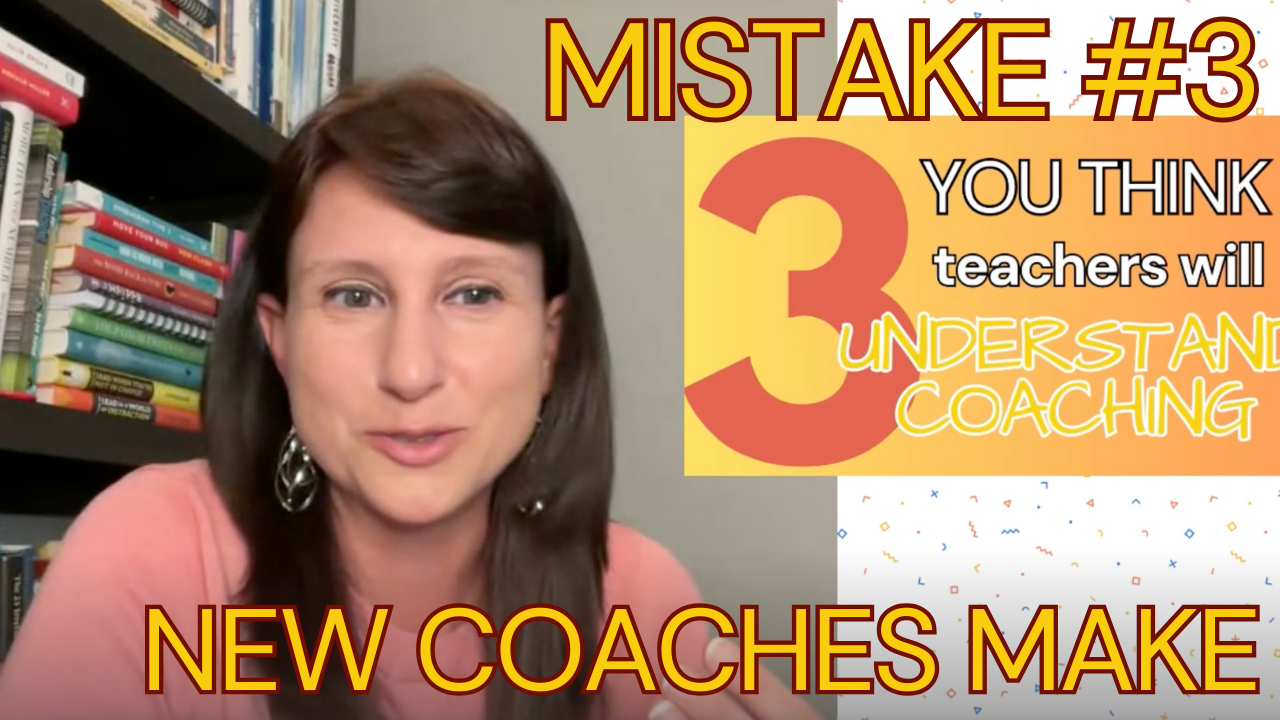
5 Mistakes New Instructional Coaches Make: Introduce Coaching the Right Way!
Jul 12, 20265 Mistakes New Instructional Coaches Make: Mistake #3
Learn one of the biggest mistakes new instructional coaches make—and what to do instead. Watch the video, listen to the podcast, or read the blog below.
🎦 Watch on YouTube
🎧 Listen on Spotify
📝 Prefer to Read? Keep scrolling!
Welcome back to the 5 Mistakes New Instructional Coaches Make series! If you're just getting started as an instructional coach, this series is here to help you avoid some of the most common mistakes new coaches make.
If you missed the first two posts, be sure to check them out. Today we're talking about Mistake #3—and it's one that surprises almost every new coach.
Mistake #3: Thinking Teachers Will Understand What Coaching Is
One of the biggest mistakes new coaches make is assuming that teachers will automatically understand what coaching is and be completely on board with it.
The reality is...
They usually don't.
Even in schools that have had instructional coaches before, teachers don't always understand what coaching really is. I've talked to a lot of coaches about this, and coaching is often misunderstood.
There are a lot of misconceptions about coaching.
It's often lumped together with administration, and especially with evaluation.
That's why one of your most important jobs as a new coach is helping teachers understand what coaching actually is.
Don't Explain It Once and Assume Everyone Gets It
You might think, "I'll explain coaching once, and everyone will understand."
But that's not how it works.
This is something you'll need to repeat over and over again.
Even after years of coaching, I still find myself explaining my role all the time. I've started embedding it into conversations with teachers because they'll sweetly ask, "What is it that you do again?"
That's normal.
Instead of assuming teachers understand coaching, be intentional about introducing coaching throughout the year.
Introduce Yourself—and Coaching
At the beginning of the school year, one of the best things you can do is create an introduction to both yourself and instructional coaching.
If possible, ask your principal for 15–30 minutes during a faculty meeting to introduce yourself.
Your principal may introduce you briefly, but I recommend taking the time to introduce yourself and explain coaching in your own words.
Why?
Because you know coaching best.
You're trying to establish that coaching is a partnership and that you are an equal partner in the work—not an evaluator.
Taking time to explain your role helps prevent those misconceptions before they begin.
Help Teachers Understand Your Role
One helpful way to introduce coaching is with a Coaching Role Graphic.
A Coaching Role Graphic helps answer questions like:
- What does an instructional coach do?
- What can teachers ask for help with?
- What is coaching?
- What is coaching not?
Giving teachers a clear picture of your role removes uncertainty and helps them feel more comfortable reaching out.
A few weeks ago, one of our members shared her Coaching Role Graphic in our #NewtoCoaching Facebook group, and it became one of our most popular posts! It was so fun to see instructional coaches sharing their own Coaching Role Graphics and talking about how they're preparing for the new school year.
Check out my Coaching Role Graphic to see an example of how I introduce my coaching role to teachers.
Need a little inspiration? I've also created a Coaching Role Graphic Padlet with dozens of examples from instructional coaches across the country. It's a great place to gather ideas as you create your own Coaching Role Graphic.
Let Teachers Experience Coaching
One of the most valuable things you can do isn't just explain coaching—it's let teachers experience it.
During your faculty presentation, have teachers pair up and coach one another for just five or ten minutes.
Ask a simple question like:
"What is one thing you want to do differently this school year?"
Give each teacher a chance to answer while their partner listens and asks follow-up questions.
That's coaching.
It's simply talking with another educator about your work, thinking through challenges, and reflecting on ways to grow.
When teachers experience coaching in this way, they realize it isn't nearly as intimidating as they may have imagined.
Final Thoughts
One of the biggest misunderstandings new instructional coaches have is thinking teachers will naturally understand coaching.
You might think your administrator will introduce you, teachers will know what you do, and they'll immediately want to work with you.
But that's rarely how it happens.
Instead, be intentional.
Introduce yourself.
Explain what coaching is.
Clarify what your role is—and what it isn't.
Share your heart and your purpose for coaching.
And most importantly, give teachers an opportunity to experience coaching for themselves.
The more clearly teachers understand coaching, the more likely they are to embrace it as a partnership that supports their growth.
👉 Grab the 10 Video Online Course Getting Started for New Instructional Coaches for just $19!

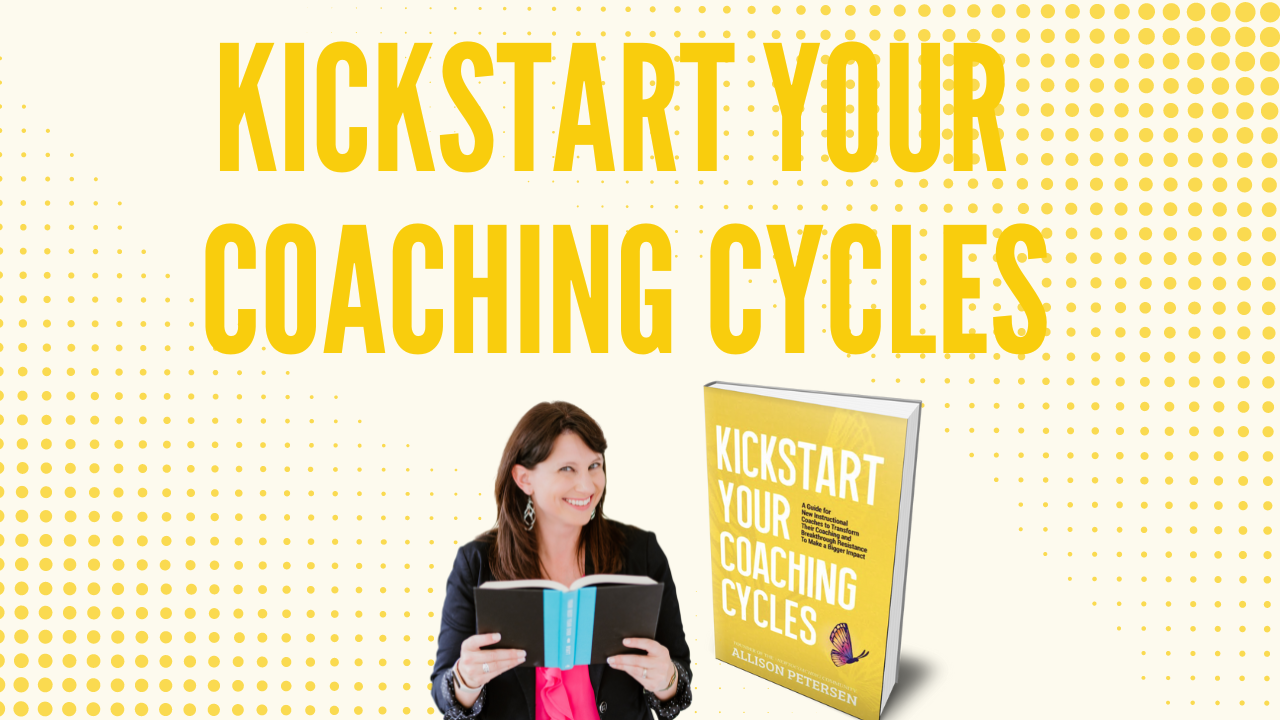
👉 Grab your copy of Kickstart Your Coaching Cycles
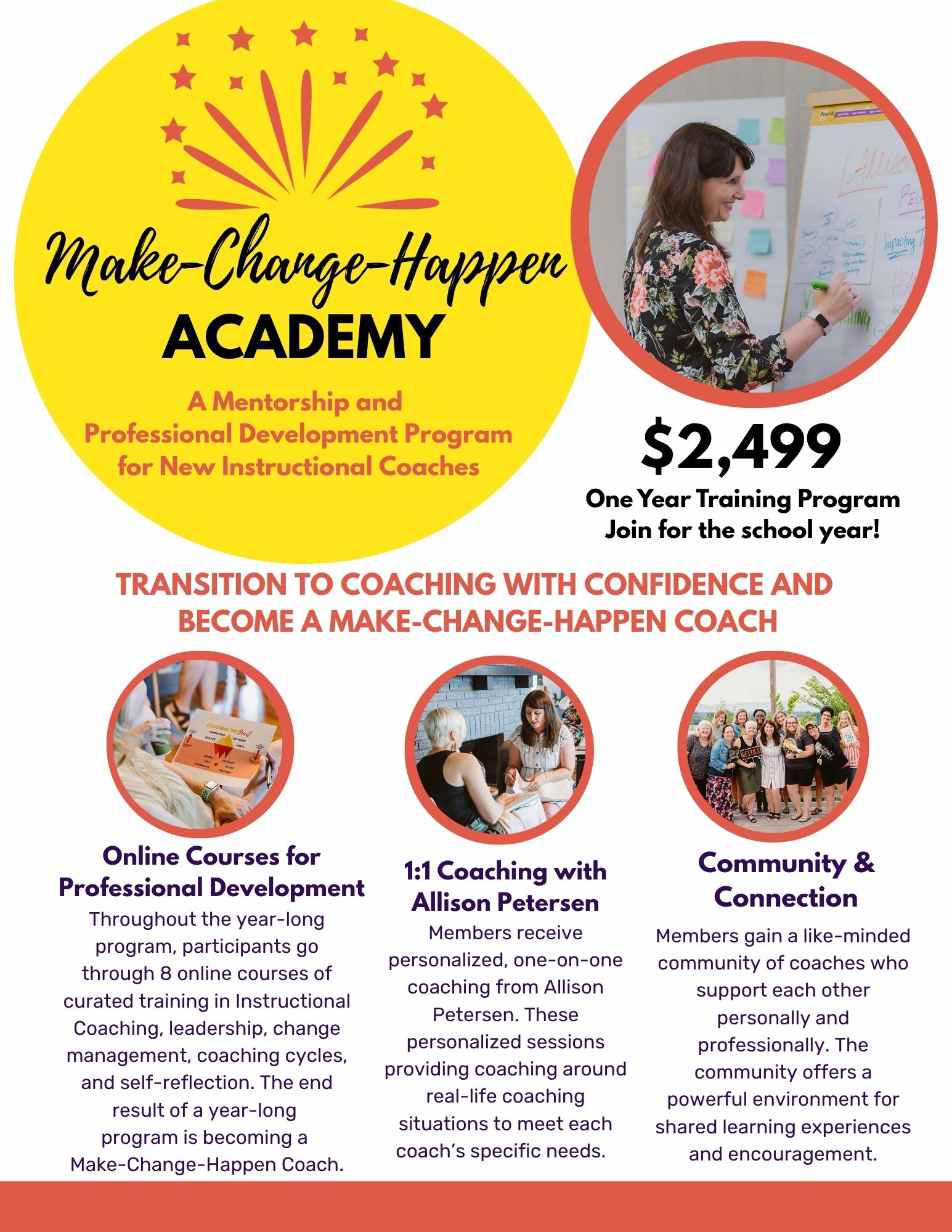
👉 Are you looking for a mentor and training for your new coaching role?
Learn more about the Make-Change-Happen Academy
Join the #NewtoCoaching Community
Stay up-to-date on the latest blog posts, livestreams, and insights for New Instructional Coaches!
This is where you come to belong, grow, and connect with other coaches.
