
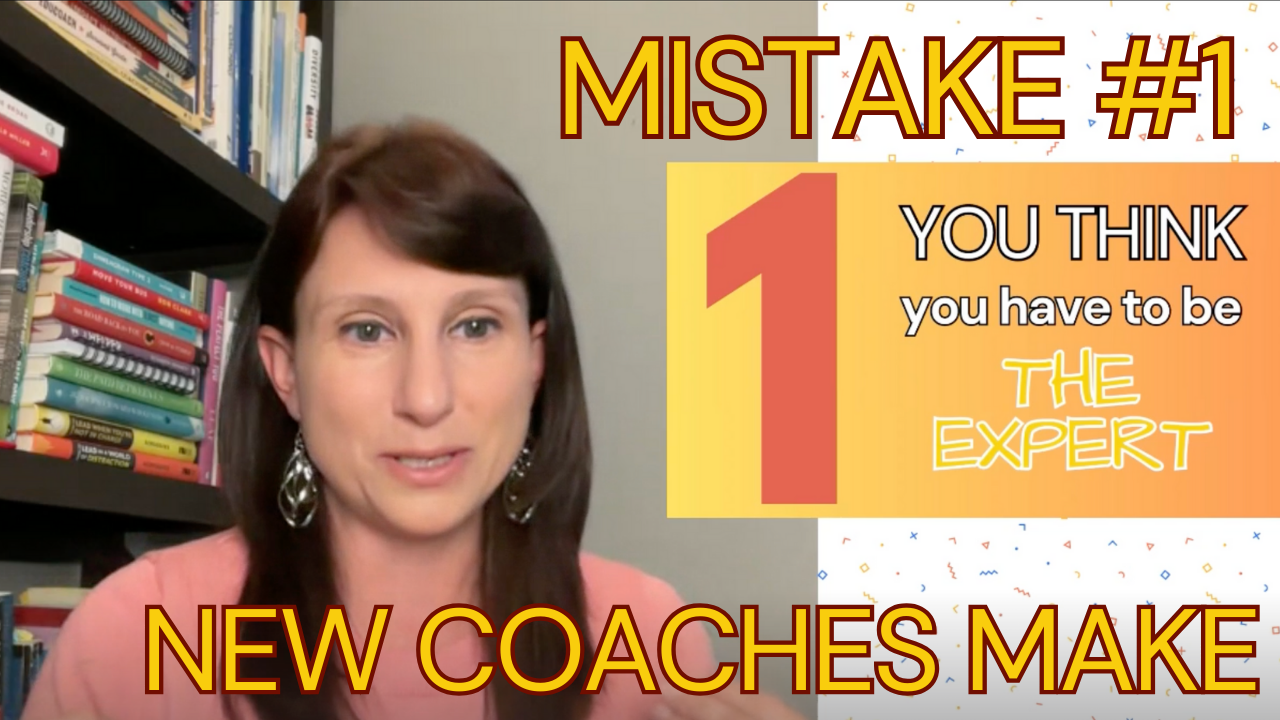
5 Mistakes New Instructional Coaches Make: You Don't Have to Be the Expert!
Jun 27, 20265 Mistakes New Instructional Coaches Make: Mistake #1
Learn one of the biggest mistakes new instructional coaches make—and what to do instead. Watch the video, listen to the podcast, or read the blog below.
🎦 Watch on YouTube
🎧 Listen on Spotify
📝 Prefer to Read? Keep scrolling!
If you are a brand new coach, you just got hired, or you’re going into your second year and need a refresher of things to be thinking about, this series is for you.
Before we get into the mistake, I want to name something you might be feeling right now.
Most new coaches are feeling a combination of excited and nervous. And that’s very normal when you’re stepping into something new.
You’re excited because you just got hired to do work you’ve been dreaming about doing, or you’re stepping into an opportunity you’re really excited about—even if you didn’t even fully choose it and were tapped on the shoulder and told you’d be great for it.
But you’re also nervous because there are so many unknowns. There’s a lot to learn in this new role, and often you’re not even sure what you’re supposed to be learning yet. It can feel foggy and unclear at the start.
And a lot of coaches describe feeling like an imposter. Imposter syndrome shows up quickly when you step out of the classroom and into coaching.
Sometimes that comes from switching content or grade levels, where you think, “I’ve never taught that, so how could I possibly coach it?” So the nervousness often comes from not feeling like you know enough or have enough expertise.
And that leads us right into Mistake #1.
Mistake #1: Thinking you have to be the expert in everything
One of the biggest mistakes new coaches make is thinking they have to be the expert in everything when they step into coaching.
And this is really difficult because when you get hired, you’re often hired because you do have expertise—maybe in literacy, math, certain subject areas, or because you’ve taught multiple grade levels.
But then you’re told you’re going to coach all of these grade levels and all of these teachers, and suddenly you realize you don’t know every standard and you haven’t taught everything. And that can create this feeling of:
- “I’m never going to be good enough.”
- “I don’t know everything teachers know or need to know.”
- “My expertise isn’t enough.”
It can leave you feeling like you’re not going to be good enough because you don’t know everything.
Some coaches respond by diving in and trying to learn everything—which is good, you do need to learn. But this mistake is actually a misunderstanding.
You do not have to be the expert as a coach.
The shift: You don’t have to be the expert—you have to be a partner
Instead of thinking you have to be the expert, you want to realize what you do have to be: a partner.
When you are starting in your instructional coaching role, you want to position yourself as a partner instead of an expert.
This is really important for your success as a coach because it helps you avoid coming across as someone who knows everything and is telling teachers what to do. Instead, you become someone who comes alongside teachers and coaches them on their journey.
This idea of partnership comes from Jim Knight’s work. He has seven partnership principles, and I’ll link some of his videos in the description so you can explore those more.
But the key idea is this: coaching is about being side by side with teachers, not above them.
What partnership looks like in practice
In my experience as a coach—and I’ve coached for over 10 years—I have never known all of the content I was coaching.
I’ve coached teachers K–12, and even preschool teachers. So I didn’t have all of that content knowledge myself.
I had to come alongside teachers and learn with them. But I did have expertise to offer.
My expertise was in curriculum design, lesson design, and instruction. And often, the teacher’s expertise was in the content they knew deeply.
I remember coaching a physics teacher. And trust me—physics is not my field. But I was absolutely able to work with her because she brought the physics knowledge, and I helped her take that knowledge and structure it into effective lessons and unit plans.
So you can actually coach any teacher. You don’t have to be the expert in their content. You just have to be willing to be their partner.
The Golfer and Caddy Analogy
A really helpful way to think about partnership is the golfer and caddy analogy.
A pro golfer has a caddy who walks with them throughout the tournament and helps them compete and hopefully win.
The caddy shows up at practice. They walk through the course. They look at yardages, bunkers, and hazards. They prepare and think through the round with the golfer.
The relationship between the golfer and caddy is essential.
They plan together, and they walk the round together. The caddy is there to support the golfer in thinking through the work.
Both roles matter.
The golfer is the one who ultimately hits the ball and makes the shots and owns the outcome when they win. But the caddy is giving guidance, support, and helping them think through the process so they can be successful.
Even professional golfers have caddies. And that’s a powerful image for coaching.
Final Takeaway
So the mistake is thinking you have to be the expert.
You might dive in trying to learn everything—and learning is good—but you don’t need to know everything to be an effective coach.
Instead, you want to position yourself as a partner.
Teachers already bring knowledge to the table. You bring knowledge too. And together, through partnership, you can be successful.
So do not make the mistake of thinking you have to be the expert. Instead, position yourself as a partner alongside teachers in their journey.
👉 Grab the 10 Video Online Course Getting Started for New Instructional Coaches for just $19!
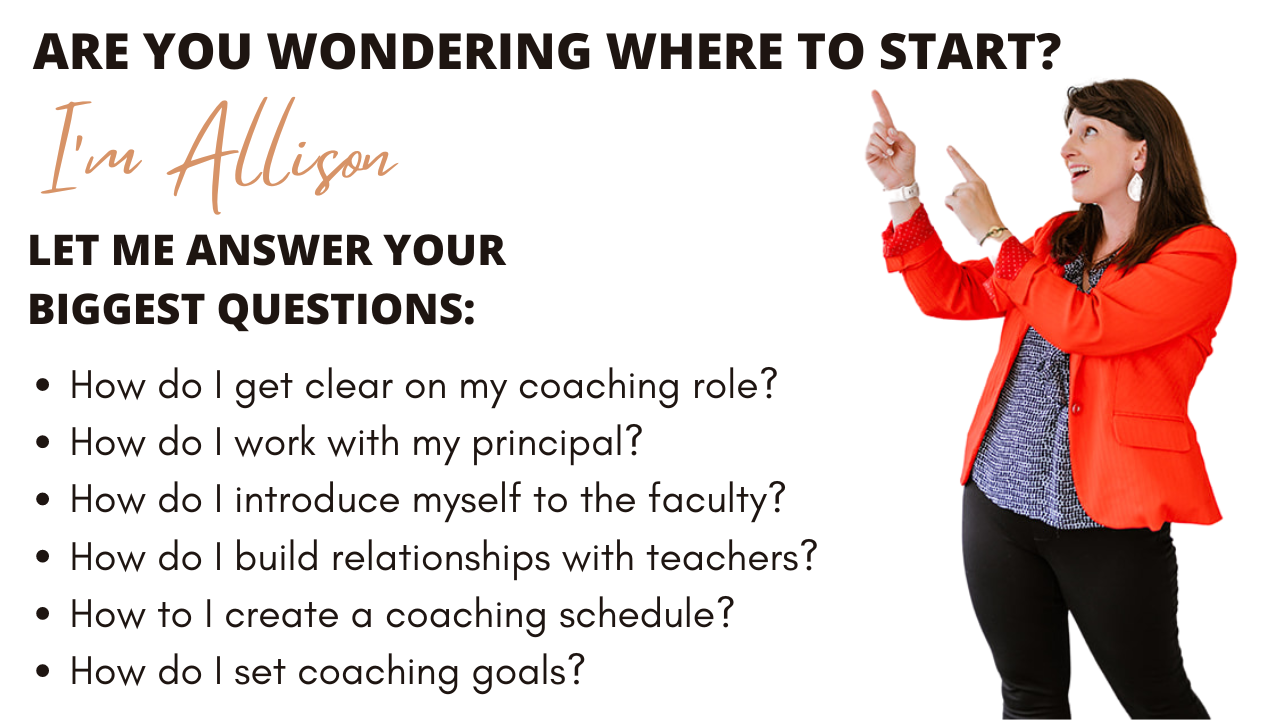
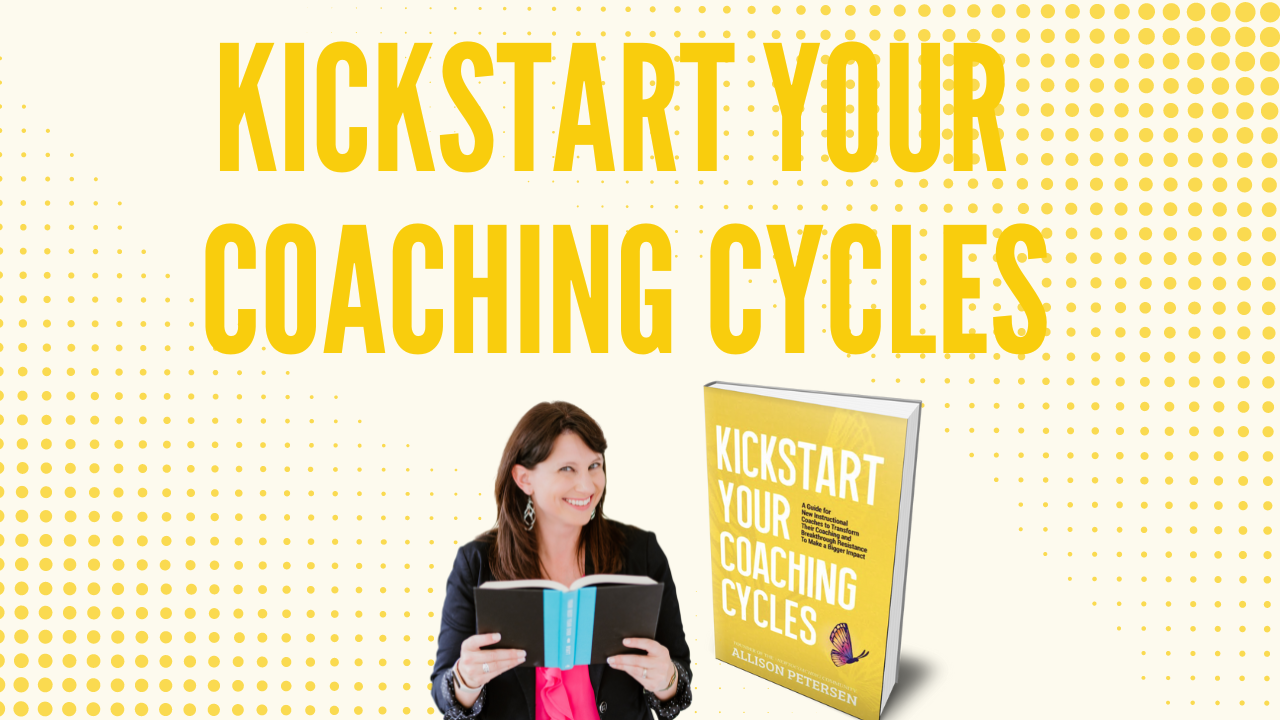
👉 Grab your copy of Kickstart Your Coaching Cycles
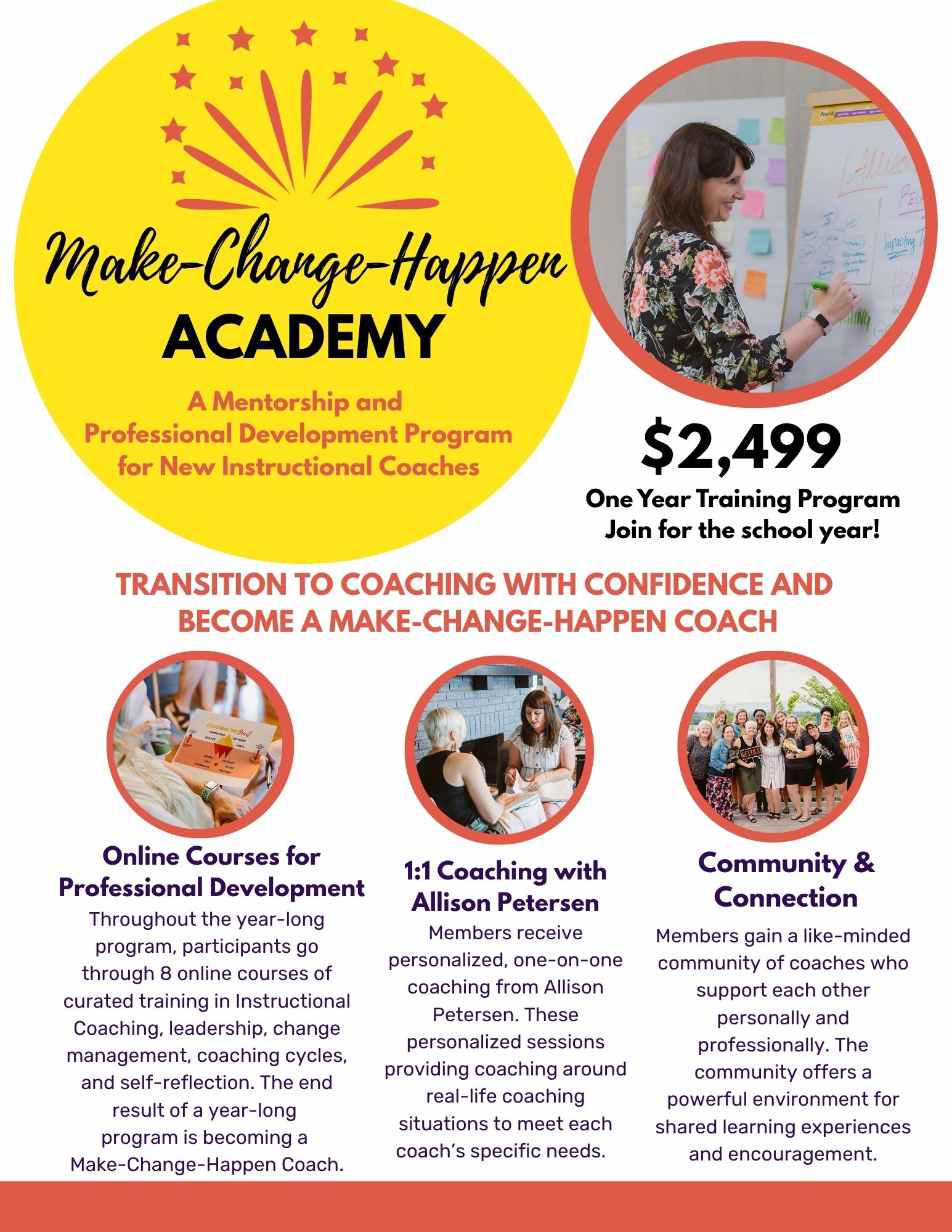
👉 Are you looking for a mentor and training for your new coaching role?
Learn more about the Make-Change-Happen Academy
Join the #NewtoCoaching Community
Stay up-to-date on the latest blog posts, livestreams, and insights for New Instructional Coaches!
This is where you come to belong, grow, and connect with other coaches.
